
If you’re a Connecticut homeowner or business owner thinking about going solar, chances are you’re excited about lower electric bills – but also nervous about surprise costs showing up after you sign a contract. Many people worry that the “solar price” they’re quoted isn’t the full story, and unfortunately, that fear isn’t unfounded. At EcoSunWorks, we help Connecticut residents uncover every cost upfront, so there are no financial surprises – just clear expectations and long-term savings.
Here’s the thing: solar panels themselves are only part of the equation. Across the U.S., non-hardware “soft costs” make up roughly 60–65% of total solar installation costs, and Connecticut is no exception. Let’s break down what those hidden costs really are – and how to avoid overpaying.
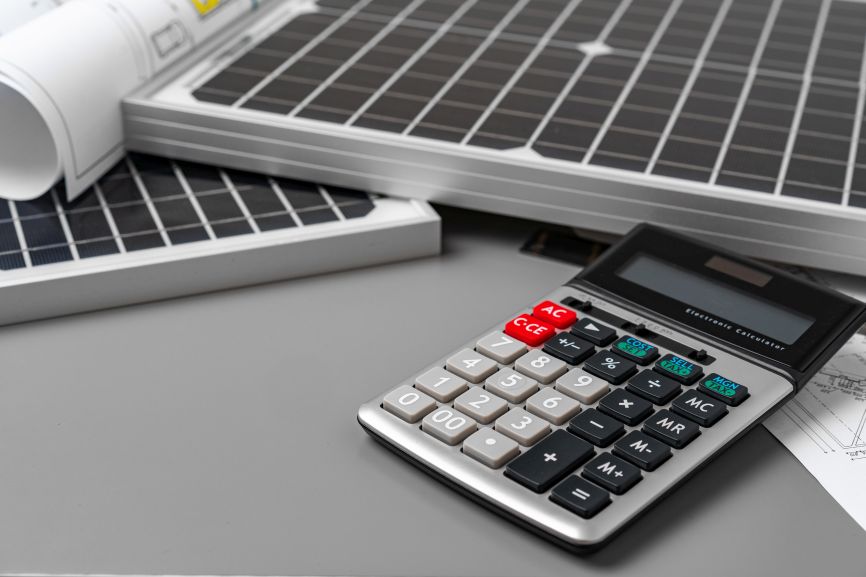
What Are “Hidden Costs” in Solar Installation?
When most people hear a solar quote, they assume it covers everything. In reality, some installers only advertise base system pricing, leaving out critical items that surface later as change orders or add-ons.
Hidden costs typically fall into two categories:
- Soft costs (paperwork, labor, logistics)
- Property-specific upgrades (roof work, tree removal, electrical changes)
Understanding these ahead of time can save you thousands.
Permits, Inspections, and Utility Interconnection Fees in Connecticut
Why permits cost more than you expect
Every Connecticut solar installation requires:
- Local building permits
- Electrical inspections
- Utility interconnection approval (often through Eversource or UI)
Each town handles permitting differently. Some move fast. Others… not so much.
The costs tied to:
- Filing paperwork
- Revising plans after inspections
- Scheduling approvals
are usually bundled into your final price – but not always clearly explained.
EcoSunWorks advantage: We handle all permitting and utility coordination in-house, so you don’t get billed later for “unexpected administrative work.”
Site Assessments and Engineering Reviews
Before a single panel goes up, your home needs a structural and electrical evaluation.
This includes:
- Roof load calculations
- Rafter spacing checks
- Electrical panel capacity review
If your roof wasn’t built with solar in mind (common in older Connecticut homes), additional engineering work may be required – and that adds cost.
Some installers skip deep assessments early to keep quotes low, then revise pricing later.

Labor Costs (Especially for Complex Roofs)
Labor accounts for 7–10% or more of total solar costs, and it varies widely based on:
- Roof pitch and height
- Asphalt vs. metal vs. slate roofs
- Ground-mounted vs. rooftop systems
A steep colonial roof in Fairfield County will cost more to install on than a single-story ranch in New London.
This isn’t padding – it’s reality. But it should be explained clearly upfront.
Roof Repairs, Upgrades, or Replacement
This is one of the biggest surprise expenses Connecticut homeowners face.
If your roof has:
- Less than 10–12 years of life left
- Structural wear
- Existing leaks
You may need repairs – or a full replacement – before solar can be installed.
Why? Because removing panels later to fix a roof is far more expensive.
EcoSunWorks flags roof concerns early, so you can plan – not panic.
Tree Removal and Shade Mitigation Costs
New England has trees. Lots of them.
If your property has shading issues:
- Trimming or removal may be needed
- Efficiency losses may require extra panels
Neither is usually included in base pricing.
Ignoring shade can cost you thousands in lost production over time – making solar less “worth it” than expected.
Sales, Marketing, and Company Overhead (Yes, You’re Paying for This)
Here’s an uncomfortable truth:
Some solar companies spend heavily on:
- Door-to-door sales
- Aggressive ads
- Commission-heavy sales teams
Those costs get passed on to you.
Local installers like EcoSunWorks operate leaner – fewer layers, fewer commissions, more transparency.
Ongoing Maintenance and Equipment Replacement
Solar panels are low-maintenance, but they aren’t maintenance-free.
Long-term costs may include:
- Inverter replacement (typically after 10–15 years)
- Occasional cleaning
- Monitoring issues
These aren’t always discussed during the sales process – but they should be.
Explore the cost of going solar in Connecticut
How to Avoid Hidden Solar Costs in Connecticut
Here’s how smart homeowners protect themselves:
✔ Get at least 3 detailed quotes
✔ Ask for a fully itemized cost breakdown
✔ Confirm what’s included vs. excluded
✔ Clarify how incentives reduce net cost
✔ Work with a local installer who handles everything
Incentives like the 30% Federal Solar Tax Credit and Connecticut’s RRES program can significantly lower costs – but only if applied correctly.
Is Solar Still Worth It in Connecticut?
Short answer: Yes – when done right.
Connecticut’s high electricity rates make solar one of the best long-term investments for homeowners. But the installer you choose matters just as much as the panels themselves.
If navigating permits, engineering, incentives, and long-term planning feels overwhelming, EcoSunWorks handles it all – locally, transparently, and without surprises.
Final Thoughts: Transparency Saves You Money
Too many Connecticut homeowners get excited about solar – only to feel burned by unexpected costs later.
Solar should feel empowering, not confusing.
At EcoSunWorks, we believe the best solar investment starts with honest pricing, clear explanations, and local expertise you can actually reach on the phone.
Find out if solar panels are worth it for Connecticut homeowners
Get Your Free Solar Estimate Today! or Call us at 833-617-0738